FEATURE
How Libraries Can Teach Deepfake Evaluation
by Susan McClellan
| By documenting instructional strategies, assessment results, and community feedback, libraries can help build a body of knowledge about what works in deepfake education. |
Media landscapes have shifted more rapidly than ever, and one of the most challenging developments is the rise of deepfake technology. A deepfake is a type of synthetic media created by AI that can convincingly mimic real people and real events. These digital creations can affect public perception, political discourse, and even personal lives. As a result, it is essential for people to gain the skills needed to recognize and evaluate deepfakes. Libraries are uniquely positioned to take a leading role in this work to help individuals navigate a world in which truth and fabrication are more tightly intertwined than ever before.
This article explores why deepfake evaluation matters, describes how libraries can design effective instruction, and provides examples of practical programs. The goal is to show that libraries are not just repositories of content—they are education hubs for media literacy and critical evaluation in the face of today’s digital environment.
Why Deepfake Evaluation Matters
Deepfake technology originated when large datasets and advanced neural networks made it possible for AI to transform photos, videos, and audio clips in ways that were previously unimaginable. At first, deepfakes attracted attention because they offered humorous or novel entertainment, but now they raise serious ethical concerns. Manipulated videos of politicians, fabricated speeches by public figures, and synthetic endorsements by celebrities have all appeared online. The lines between what is real and what is generated have become increasingly blurred.
Deepfake evaluation is about truth. People who cannot distinguish manipulated content from authentic material can be misled, which can influence elections, erode trust in institutions, and damage the reputations of private individuals. Conventional cues that once helped observers detect misinformation do not work as deepfakes get more sophisticated. Librarians and educators face the challenge of teaching people to identify false information as well as how to understand the broader context in which that information appears. The ability to evaluate information is a fundamental life skill. It is part of media literacy, information literacy, and digital literacy. These are not niche competencies. They are essential knowledge for anyone who engages with online content, participates in civic life, or makes decisions based on what they see and hear.
The Role of Libraries in Media and Information Literacy
Libraries have evolved significantly over the past few decades. Once primarily places to store and lend books, they are now community hubs for learning, research, and cultural exchange. In public, school, and academic libraries, instruction on evaluating sources and discerning credible information has become a core part of service. Teaching deepfake evaluation is a natural extension of existing library instruction in media and information literacy. These programs typically include helping patrons learn how to determine the credibility of news articles, check facts, recognize bias, and use search tools effectively. Deepfakes present a new frontier in this work that is directly tied to the rise of AI.
Libraries have numerous advantages that make them particularly well-suited to teach deepfake evaluation. They are trusted institutions with a history of teaching people how to think critically. Patrons already view libraries as places of learning and discovery. They serve diverse populations, reaching students, adults, seniors, and underserved groups who might not otherwise have access to formal media literacy training.
Designing Effective Deepfake Evaluation Instruction
Good instruction begins with clear goals. Libraries that want to teach deepfake evaluation should first consider what outcomes they hope to achieve. On a basic level, participants should gain familiarity with what deepfakes are and why they matter. They should learn strategies for examining content for signs of manipulation. They should understand how deepfakes are created and how technology continues to evolve. Some libraries may offer standalone workshops dedicated specifically to deepfakes, while others might integrate deepfake evaluation modules into broader media literacy courses or digital literacy initiatives. The key is to ensure that deepfake instruction is accessible, engaging, and relevant to participants.
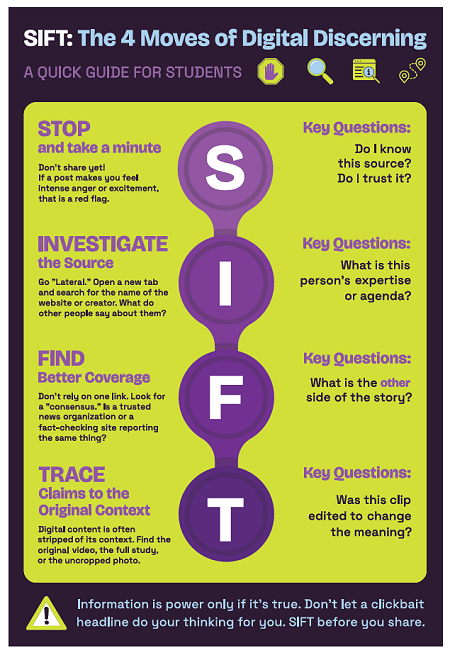 Workshops can range from introductory sessions for general audiences to advanced seminars for students and professionals. In introductory sessions, librarians can cover fundamental concepts. They can answer questions such as, What are deepfakes? How does AI create them? Why do deepfakes matter, both for individuals and for society? These sessions should include concrete examples of deepfake media and guided discussions that prompt participants to think about how they would evaluate each piece of media. Advanced workshops can focus on tools and techniques for detection. Participants can learn about reverse image search, metadata analysis, and the use of verification platforms. Workshops can also explore the ethical dimensions of deepfakes, including questions about consent, privacy, and the responsibilities of creators and platforms. Workshops can range from introductory sessions for general audiences to advanced seminars for students and professionals. In introductory sessions, librarians can cover fundamental concepts. They can answer questions such as, What are deepfakes? How does AI create them? Why do deepfakes matter, both for individuals and for society? These sessions should include concrete examples of deepfake media and guided discussions that prompt participants to think about how they would evaluate each piece of media. Advanced workshops can focus on tools and techniques for detection. Participants can learn about reverse image search, metadata analysis, and the use of verification platforms. Workshops can also explore the ethical dimensions of deepfakes, including questions about consent, privacy, and the responsibilities of creators and platforms.
Instruction should be designed with active learning in mind. Rather than simply lecturing, librarians can incorporate guided practice, group discussions, and case studies. For example, participants could be shown a series of videos and asked to work in small groups to determine whether they are authentic or manipulated. Afterward, they could share their reasoning and reflect on what cues were helpful or misleading. Libraries that partner with local schools, universities, or community organizations can expand the reach of their programs. Collaboration with teachers and professors can help align deepfake evaluation instruction with existing curricula. Partnering with technology centers can bring additional expertise and resources into the library environment.
Core Instructional Strategies for Deepfake Evaluation
Teaching deepfake evaluation is about helping learners develop skills that they can apply in real-world situations. Several instructional strategies are particularly effective in this context.
First, teaching context matters. Deepfakes do not appear in isolation. They are shared on social networks, embedded in news stories, and circulated through messaging platforms. Learners need to understand the broader ecosystem in which media appears. This means looking at sources, cross-referencing information, and considering who created and shared a piece of content. Teaching people to ask questions about context can help them move beyond surface-level impressions.
Second, instruction should focus on cognitive strategies that support critical thinking. Rather than simply memorizing lists of red flags, participants should learn how to frame questions that help them evaluate content—for example, asking where the content originated, whether there are other sources that report the same information, and whether the account sharing the media has a history of reliability. These strategies apply not only to deepfakes, but also to a wide range of information-evaluation tasks, making the instruction broadly useful.
Third, librarians should teach practical tools and techniques. Technology can assist in deepfake detection. Tools such as reverse image search, fact-checking websites, and browser extensions can help users verify image and video content. Showing participants how to use these tools empowers them to apply what they learn immediately. Hands-on practice with these tools during a workshop can build confidence.
Fourth, it is important to ground instruction in real examples. Using actual examples of deepfake media helps learners see the stakes of evaluation. It also illustrates how convincing manipulated content can be. However, libraries should handle sensitive imagery ethically. Examples should be selected carefully to avoid harm, sensationalism, or unnecessary reproduction of damaging content.
Fifth, reflection and discussion should be integral parts of instruction. Deepfake evaluation involves judgment and interpretation. Group discussions allow participants to articulate their reasoning and learn from one another. Reflection activities help learners internalize what they have been taught and consider how they might apply it outside of a workshop setting.
Challenges and Concerns for Libraries Preparing Instruction
While libraries have a strong foundation for teaching deepfake evaluation, they also face challenges. One of the most common obstacles is limited staff expertise. Deepfake technology is rooted in AI and digital media production. Librarians may feel they do not have deep technical knowledge in these areas. This can create anxiety about leading instruction that feels outside of their comfort zones. However, librarians do not need to be AI experts to teach evaluation skills. The emphasis should be on critical thinking and information literacy. Many of the instructional strategies libraries already use for source evaluation translate well to deepfake evaluation. Professional development and collaboration with external experts can also build capacity. Librarians can learn alongside their patrons and bring in guest speakers to supplement instruction.
Another challenge is keeping pace with rapidly changing technology. Deepfake tools and detection techniques evolve quickly. Programs that rely on static content risk becoming outdated. Libraries can address this by focusing on principles rather than specific technologies. Teaching underlying skills such as questioning assumptions, checking sources, and verifying content provides learners with durable capabilities that transfer across technologies.
Public libraries serve people with a wide range of backgrounds, ages, and interests. Instruction that is too technical may overwhelm some participants, while instruction that is too basic may bore others. Offering tiered programs or flexible formats can help meet diverse needs. For example, libraries can hold separate sessions for youth, adults, or professionals. Digital equity is another concern, as not all patrons have the same access to technology or familiarity with digital tools. Workshops should be designed to be inclusive and accessible. Libraries can provide devices for in-person instruction and offer guidance that does not assume advanced technical skills. Online resources such as recorded sessions, handouts, and guides can extend the reach of programs to those who cannot attend in person.
Evaluating the impact of deepfake instruction is also challenging. Libraries need to assess whether participants are gaining skills and applying them outside of workshops. Traditional satisfaction surveys provide some insight, but deeper measures of learning are more difficult to capture. Preprogram and post-program surveys, interviews, and follow-up activities can help libraries understand how instruction is working and how it can be improved.
Examples of Practical Programs
Many libraries have already begun exploring ways to teach media literacy and deepfake evaluation. While specific programs vary, they share common elements that provide useful models. One example is creating a community workshop titled Evaluating Digital Media. The session can begin with an introduction to deepfakes, including examples of manipulated videos and images. Participants would then learn about basic verification techniques such as using reverse image search and checking source metadata. The workshop can include a hands-on activity that allows participants to work in pairs to analyze a set of media samples. At the end of the session, a librarian can lead a discussion about how participants could use these skills in their daily lives.
A university library can develop a series of short online tutorials on deepfake evaluation. These tutorials can cover topics such as understanding synthetic media, identifying cues of manipulation, and using verification tools. Tutorials can be made freely available on the library website and promoted through social media. The library can have live, virtual Q&A sessions during which participants can ask questions and practice techniques in real time.
These examples share several strengths, which include being interactive and providing practical tools that participants can immediately use. They connect deepfake evaluation to real-life scenarios while making room for reflection and discussion. Whether in a public library, a school, or a university setting, these elements help make instruction effective.
Future Directions
As deepfake technology continues to evolve, libraries will need to adapt their approaches. Future programs may incorporate AI tools that help detect manipulated media. Librarians may partner with researchers to bring cutting-edge knowledge into community education. Deepfake evaluation may also become part of broader discussions of ethics in technology, privacy rights, and digital citizenship. Libraries can also contribute to research and resource development. By documenting instructional strategies, assessment results, and community feedback, libraries can help build a body of knowledge about what works in deepfake education. Collaborative networks of libraries can share curriculum materials and best practices, lowering the barriers for libraries that are just beginning this work.
Conclusion
Deepfakes represent one of the most compelling challenges to information integrity in the digital age. They blur the lines between what is real and what is fabricated, making traditional credibility cues less reliable. They provide an opportunity for libraries to demonstrate their enduring value. By teaching deepfake evaluation, libraries affirm their commitment to critical thinking, public education, and informed citizenship. Libraries are well-positioned to lead in this area because they are trusted institutions with experience in teaching information literacy. With thoughtful planning, effective instructional strategies, and a focus on transferable skills, libraries can help individuals navigate the world of deepfake media with greater confidence and discernment. The future of information literacy is critical, and libraries are ready to rise to the occasion.
|






 Susan McClellan is a librarian in Pittsburgh and an executive assistant at the University of Pittsburgh. She has more than 30 years of experience working in paraprofessional and professional library roles.